JMCQUARRIE.co.uk
James McQuarrie is a UK based Product Leader who helps teams discover, design, build and deliver digital products and services that delight their users.
My 2025 reading (listening) list
As has become a tradition, here’s a rundown of the books I read listened to over the course of 2025. As ever, these short notes are mainly a reminder to my future self to jog my memory of what I read listened to, what each book is about, what stood out, and which might earn a revisit.
In no particular order:
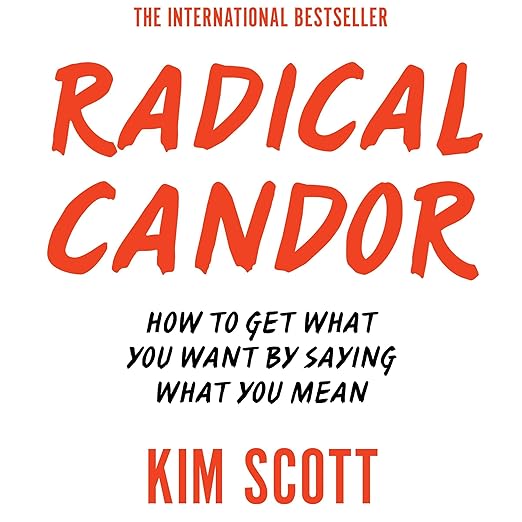
Radical Candor: How to Get What You Want by Saying What You Mean
Written & read by Kim Scott
“A framework for leadership built around “caring personally” while “challenging directly.” Scott mixes personal anecdotes from Google and Apple with tactical advice on giving feedback, building trust, and avoiding the twin traps of “ruinous empathy” and “obnoxious aggression.” A practical handbook for healthier workplace conversations.”
This title has come up numerous times in conversations with ex-colleagues and friends in leadership positions. About time I got round to reading listening to it. It’s a good reminder of how to navigate giving both positive and negative feedback to people.
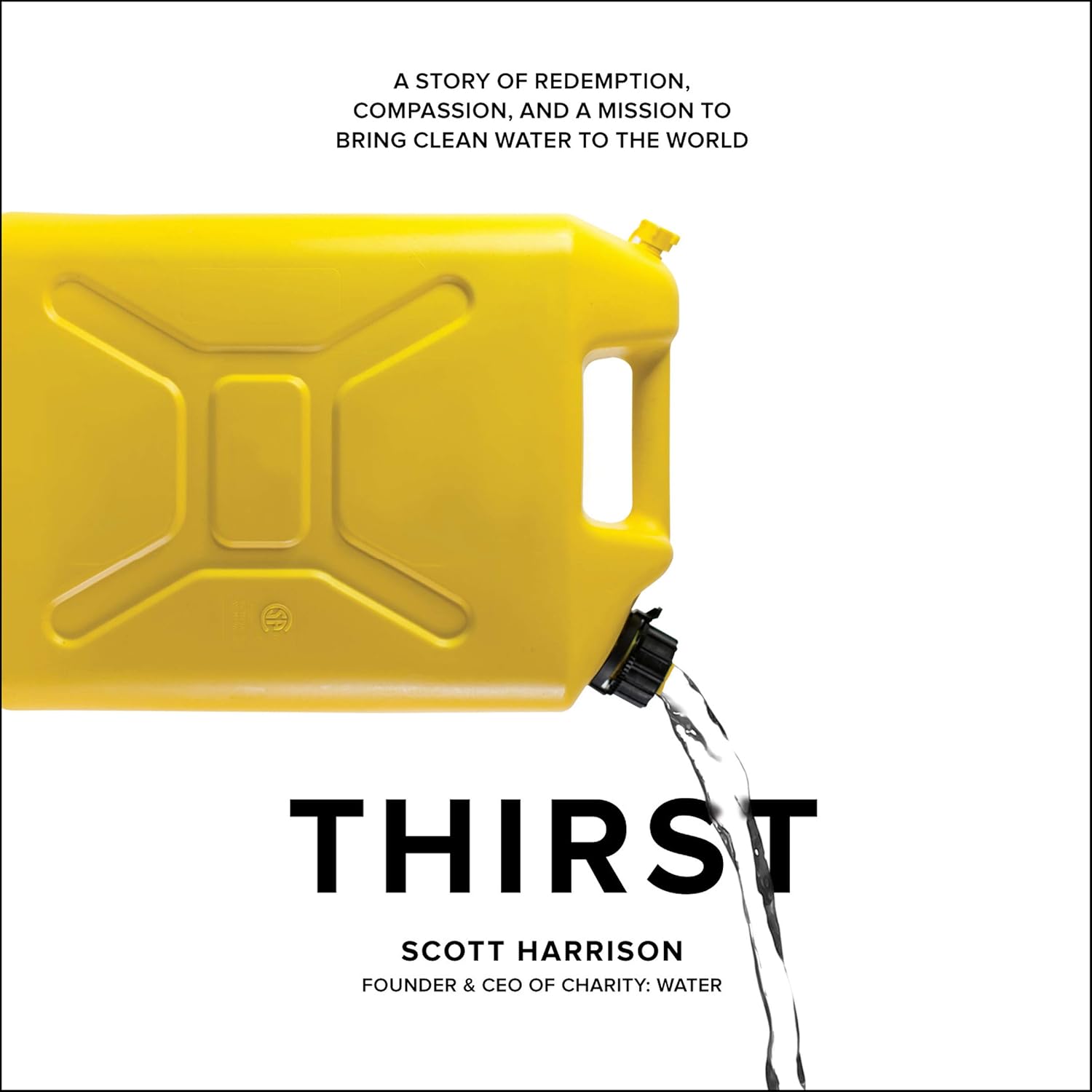
Thirst: A Story of Redemption, Compassion, and a Mission to Bring Clean Water to the World
Written & read by Scott Harrison
“Harrison recounts his transformation from nightclub promoter to founder of charity: water. The narrative blends memoir with the logistics and ethics of nonprofit fundraising, focusing on the global water crisis and the importance of transparency in charitable work, with a strong emphasis on mission-driven storytelling.”
I read listened this after more than one person compared what we are doing at Glad Climate with charity:water.
We’ve obviously not hit the same heights with Glad (at time of writing) but there are similarities with our ambition (not our origin story I should stress!) and things we can no doubt learn from the charity: water story, well worth the read.
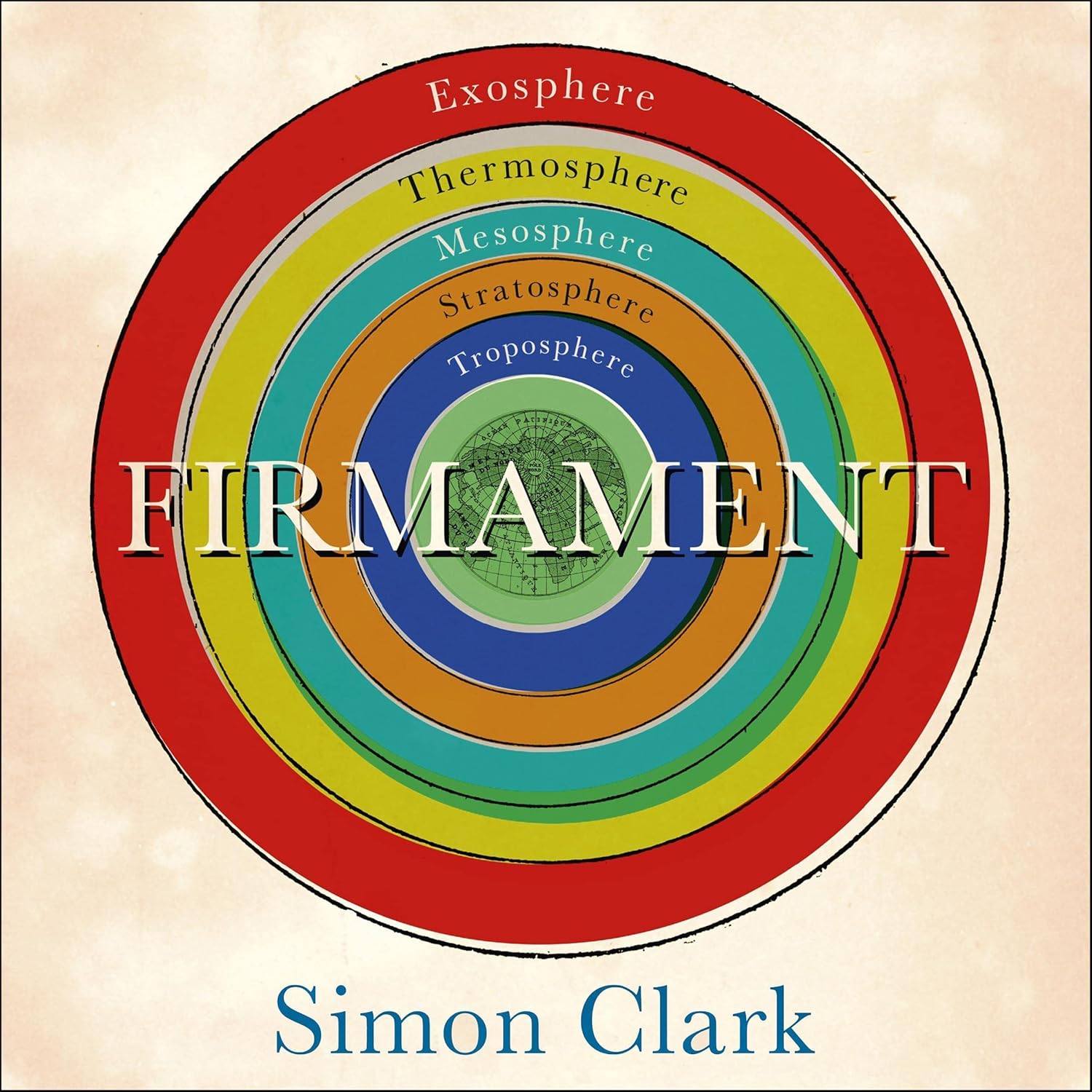
Firmament: The Hidden Science of Weather, Climate Change and the Air That Surrounds Us
Written & read by Simon Clark
“A sweeping look at the science of Earth’s atmosphere: its formation, its delicate chemistry, and the forces that keep it stable. Clark introduces the history of atmospheric science, the figures who shaped it, and the ways our climate is altering.”
As we are focused on speeding up the cleaning of legacy emissions from our atmosphere at Glad, I figured it would be a good idea to swot up on what our atmosphere actually is and how it works. This is a great, accessible narrative about the science of our planet and how we learnt everything we know about it (as well as how much more we’ve still to learn!).
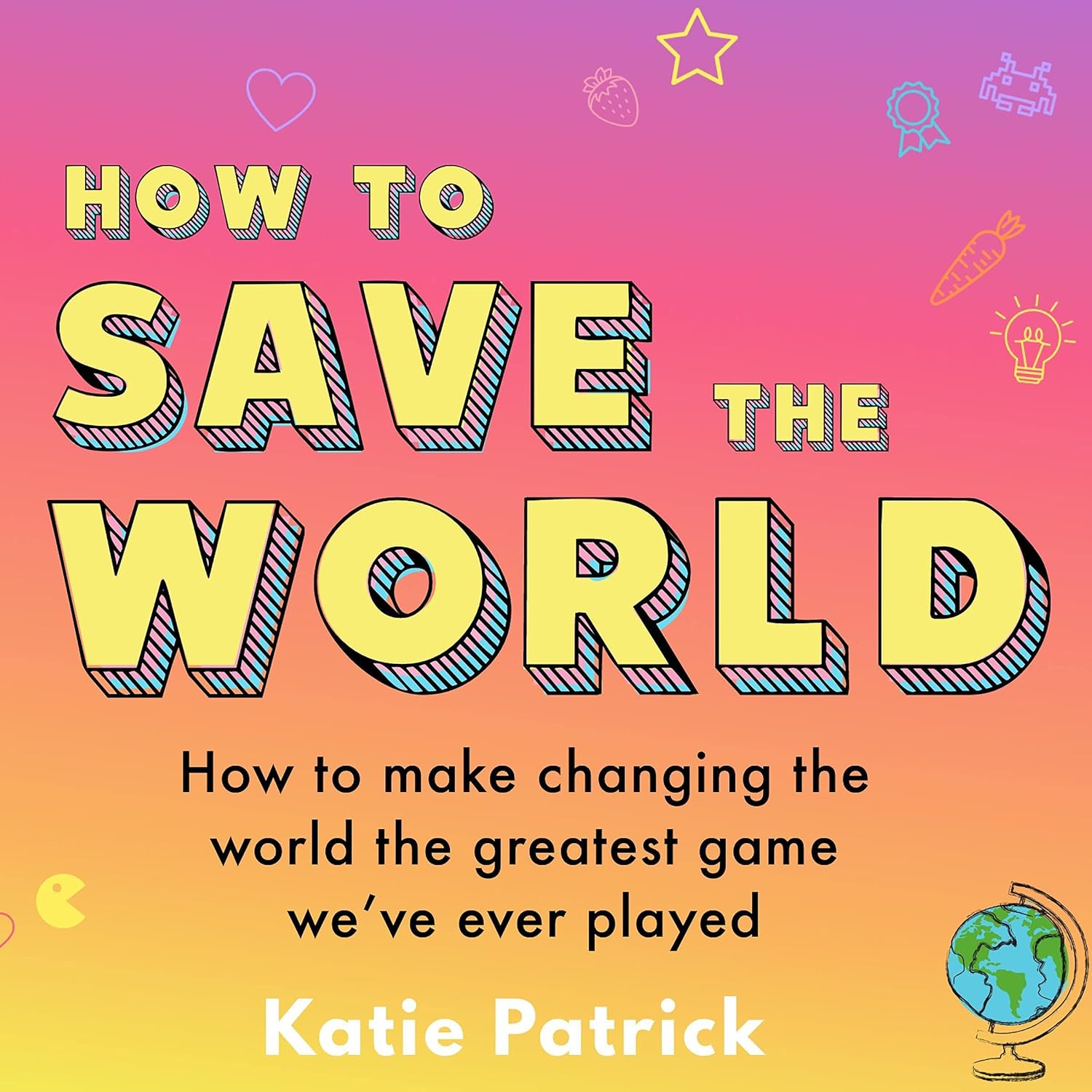
How to Save the World: How to Make Changing the World the Greatest Game We’ve Ever Played
Written & read by Katie Patrick
“Patrick blends environmental science with behavioral design, exploring how gamification, data visualization, and community engagement can motivate climate action. It’s part inspirational guide, part practical manual for turning concern into measurable progress through design thinking.”
There was little new to me in this book if I’m honest - not as useful as I hoped. But if you’re new to behaviour design, community engagement, this is a nice introduction to tactics and concepts you could apply - especially through the lens of climate impact.
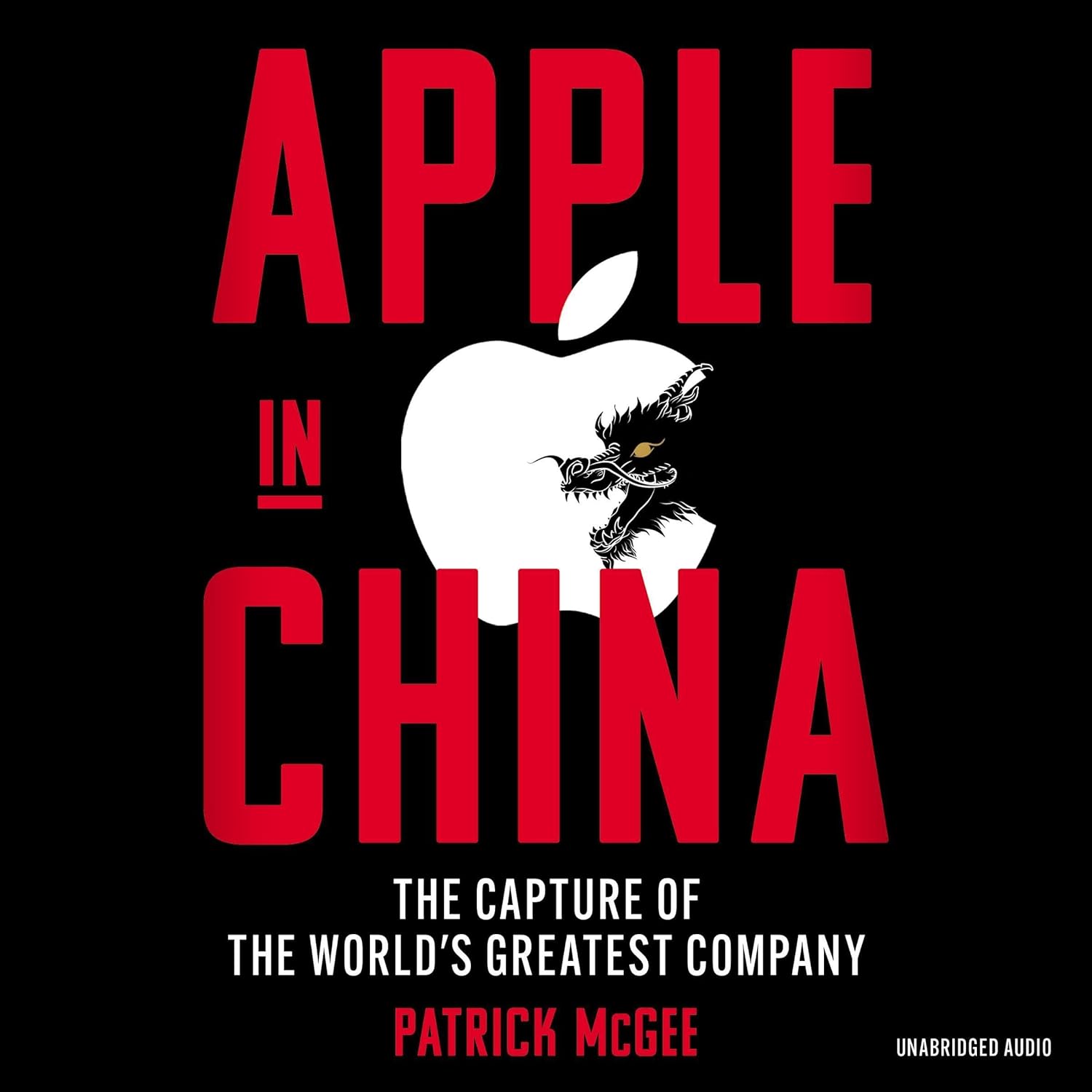
Apple in China: The Capture of the World’s Greatest Company
Written by Patrick McGee, read by Fred Sanders
“A journalistic dive into Apple’s deep entanglement with China - supply chains, political dependencies, and strategic trade-offs. McGee maps how Apple’s global success is inseparable from Chinese manufacturing, raising questions about technology, geopolitics, and corporate responsibility.”
A friend recommended this title. We’ve known each other since the days of the very first iPhone and have often discussed the rise (and potential future fall) of Apple over the years.
He was reading this and suggested I did too so we could compare notes.
It’s an interested look into how the explosive success of Apple is tightly coupled to the relentless march of China’s domination over global manufacturing in the last 15-20 years or so.
Particularly interesting to me this year as I’ve been working on physical hardware products for the first time in my career. If you’re an Apple fan, it’s worth a look to understand more about their success. If you work in hardware, it’s worth a look to learn more about the benefits and pitfalls of our current global supply chain environment.
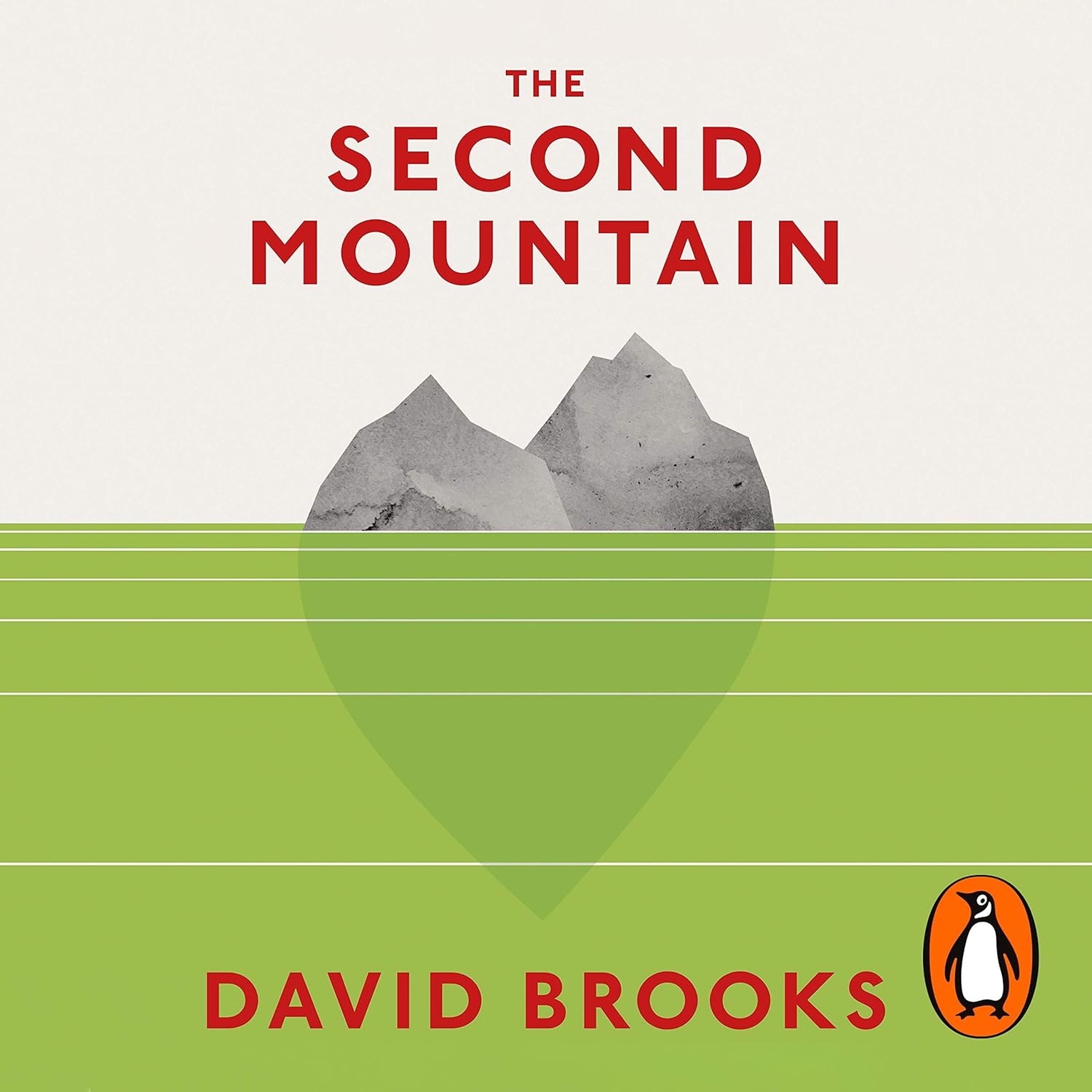
The Second Mountain: The Quest for a Moral Life
Written by David Brooks, read by Arthur Morey
“Brooks frames the journey of our lives as consisting of two mountains we must climb; contrasting the “first mountain” of individual achievement with the “second mountain” of meaning, connection, and service. Blending philosophy, sociology, and memoir, he argues for rebuilding community, deep commitments, and a life oriented around relationships rather than personal success.”
I didn’t know what to expect when I started this book and it turned out a little more philosophical than I’d imagined. Interesting concept. Not top of my books to revisit list, but thought provoking nonetheless.
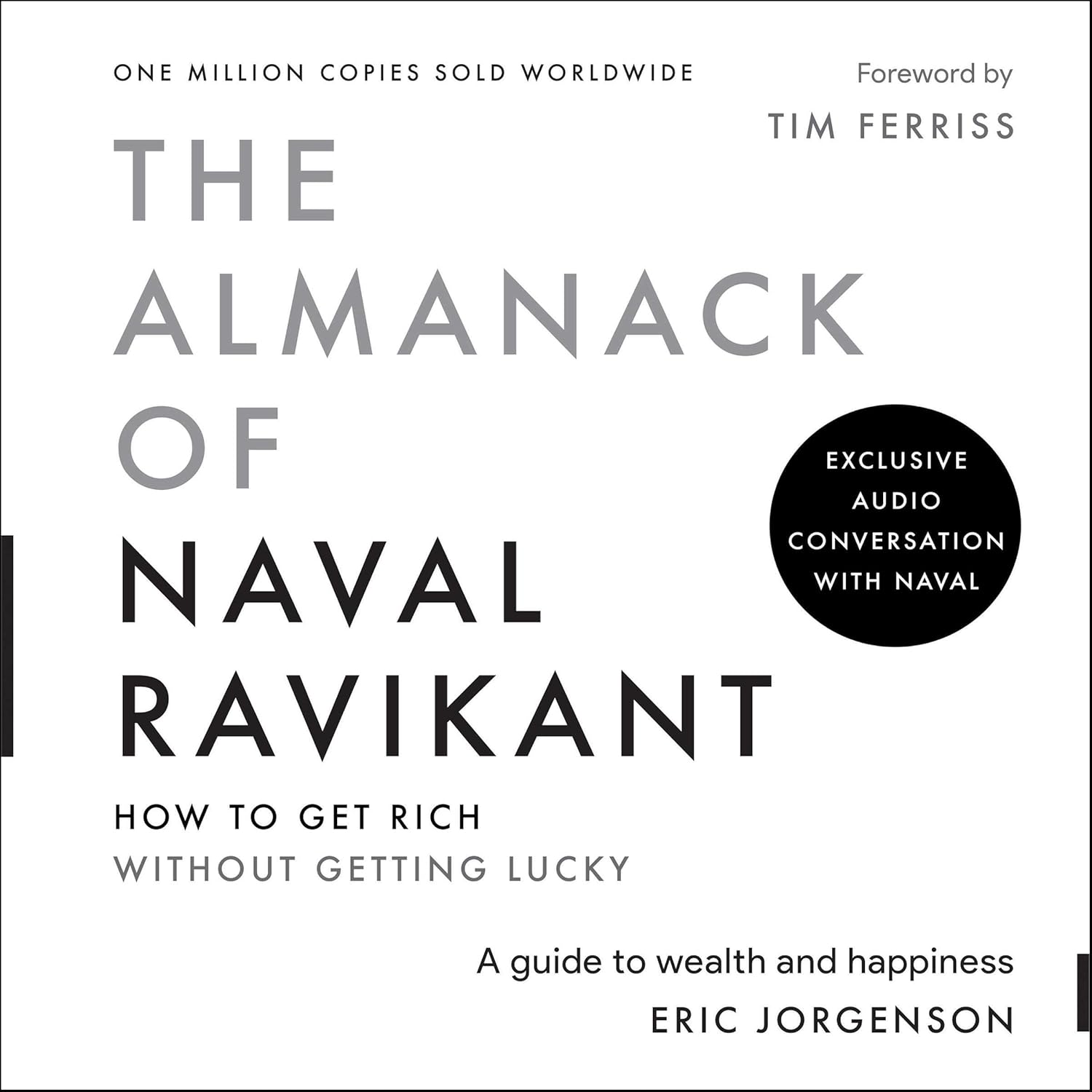
The Almanack of Naval Ravikant: A Guide to Wealth and Happiness
Written by Eric Jorgenson & Naval Ravikant, introduction by Tim Ferris, read by Vikas Adam
“A curated collection of Naval Ravikant’s thoughts on wealth, happiness, leverage, learning, and decision-making. Presented as distilled principles rather than narrative, it leans toward aphorisms and mental models meant to help readers build independent, high-leverage lives.’
I didn’t get much out of this. Had high hopes given the recommendation from Tim Ferris and others. It might work better as a written book, but as an audio book is sounded like a disciple’s spoken love-letter to their idol, focused on the idol’s greatness and wisdom without challenge or commentary. If you’re a fan of Ravikant’s written work, you will probably get more out of it than I did.
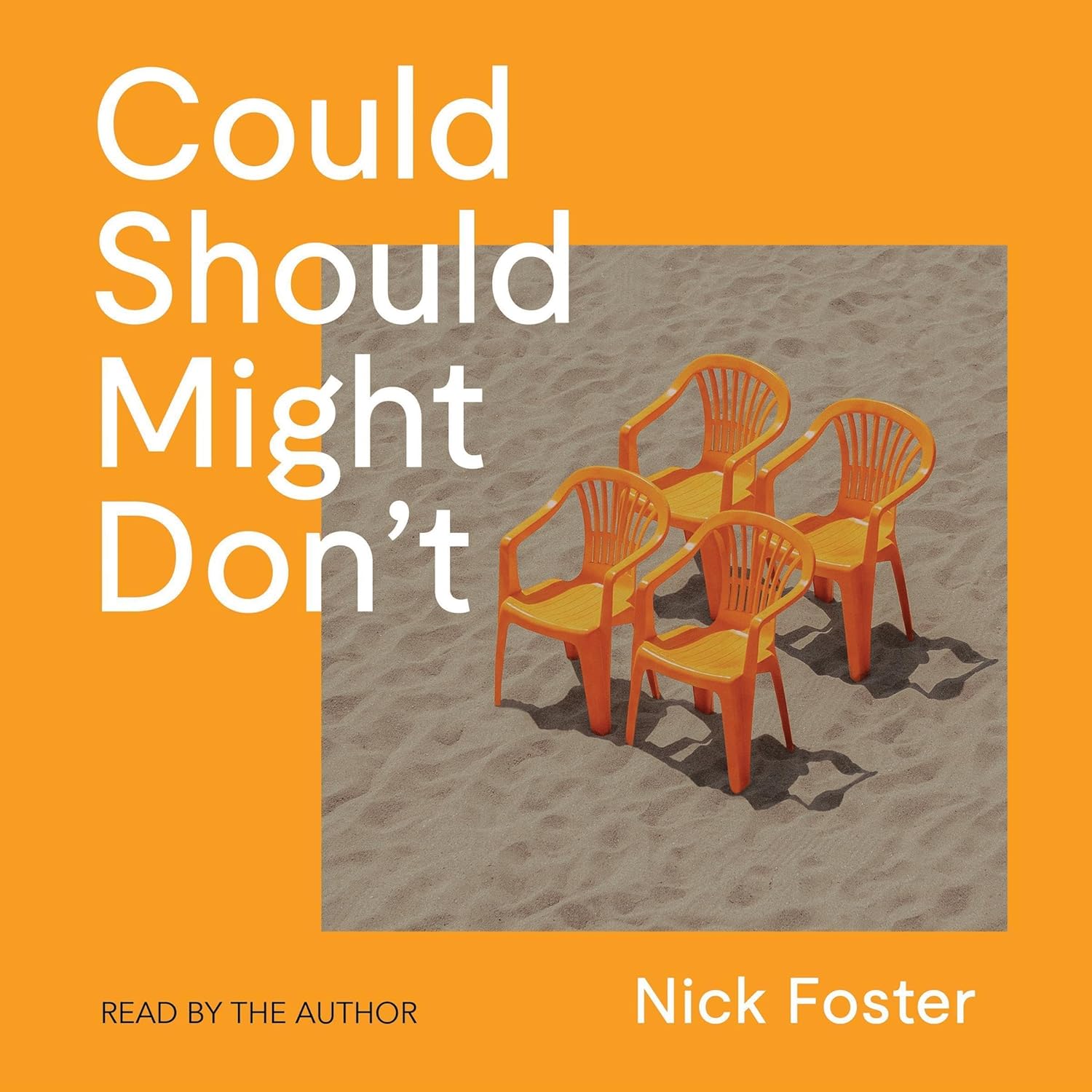
Could Should Might Don’t: How We Think About the Future
Written & read by Nick Foster
“A designer’s exploration of creativity, decision-making, and the constraints that shape good work. Foster examines how possibilities narrow into choices, and how to navigate ambiguity in design and innovation. Philosophical but grounded in practical creative experience.”
An old university friend of mine posted about this book on LinkedIn at some point last year and it caught my attention both because he recommended it and because the topic sounded interesting.
I was not disappointed. It’s a great read listen. Exploring how we can think clearly about the world and our future in it even as the pace of change all around us is ever increasing.
A good one for anyone in a creative role, specifically if in tech, to ponder.
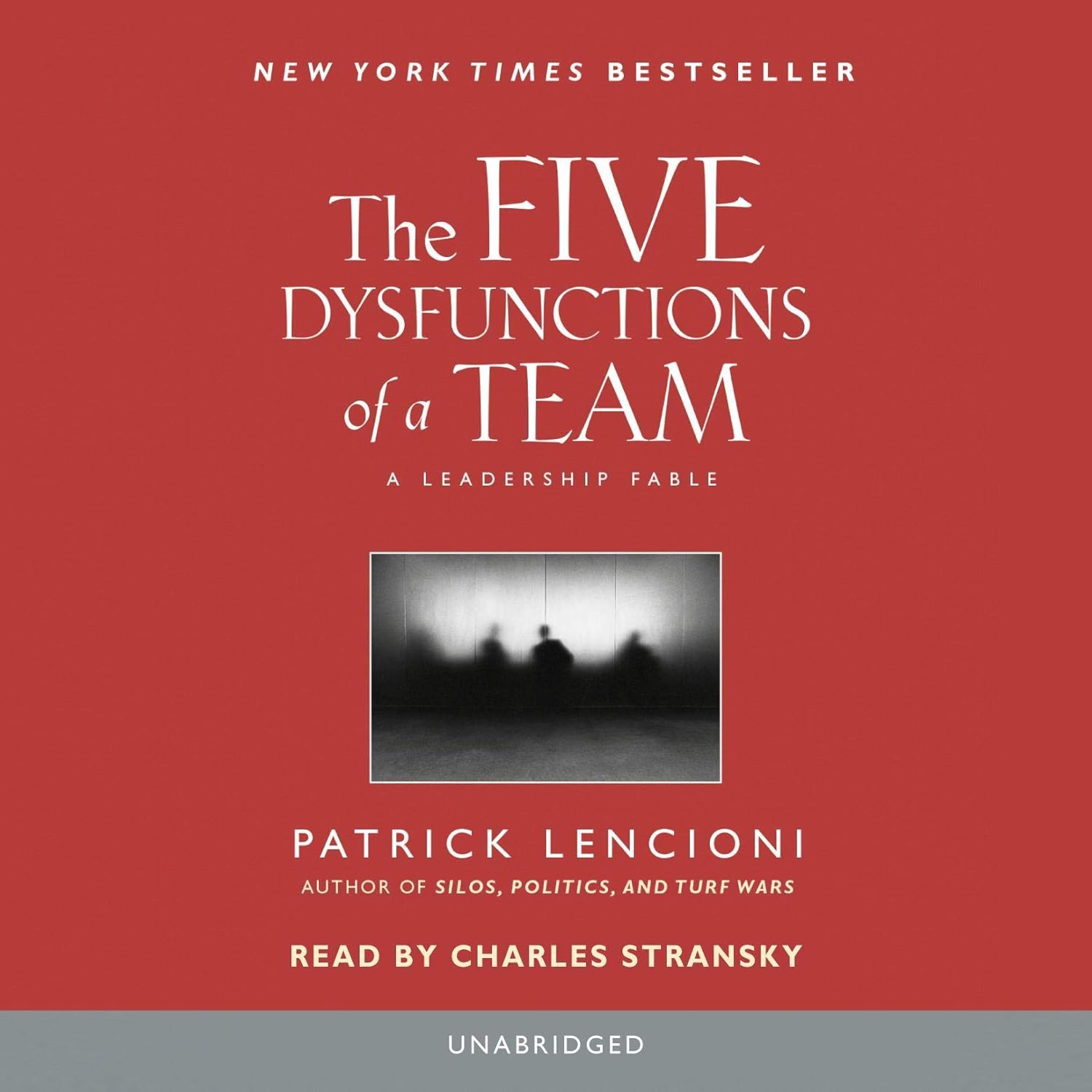
The Five Dysfunctions of a Team: A Leadership Fable
Written by Patrick Lencioni, read by Charles Stransky
“Presented as a business fable, Lencioni outlines five common barriers to team performance: absence of trust, fear of conflict, lack of commitment, avoidance of accountability, and inattention to results. A short, narrative-driven guide to diagnosing and strengthening team culture.”
Recommended by one of my colleagues at Slice, this is a great book about working in and leading teams at work or elsewhere.
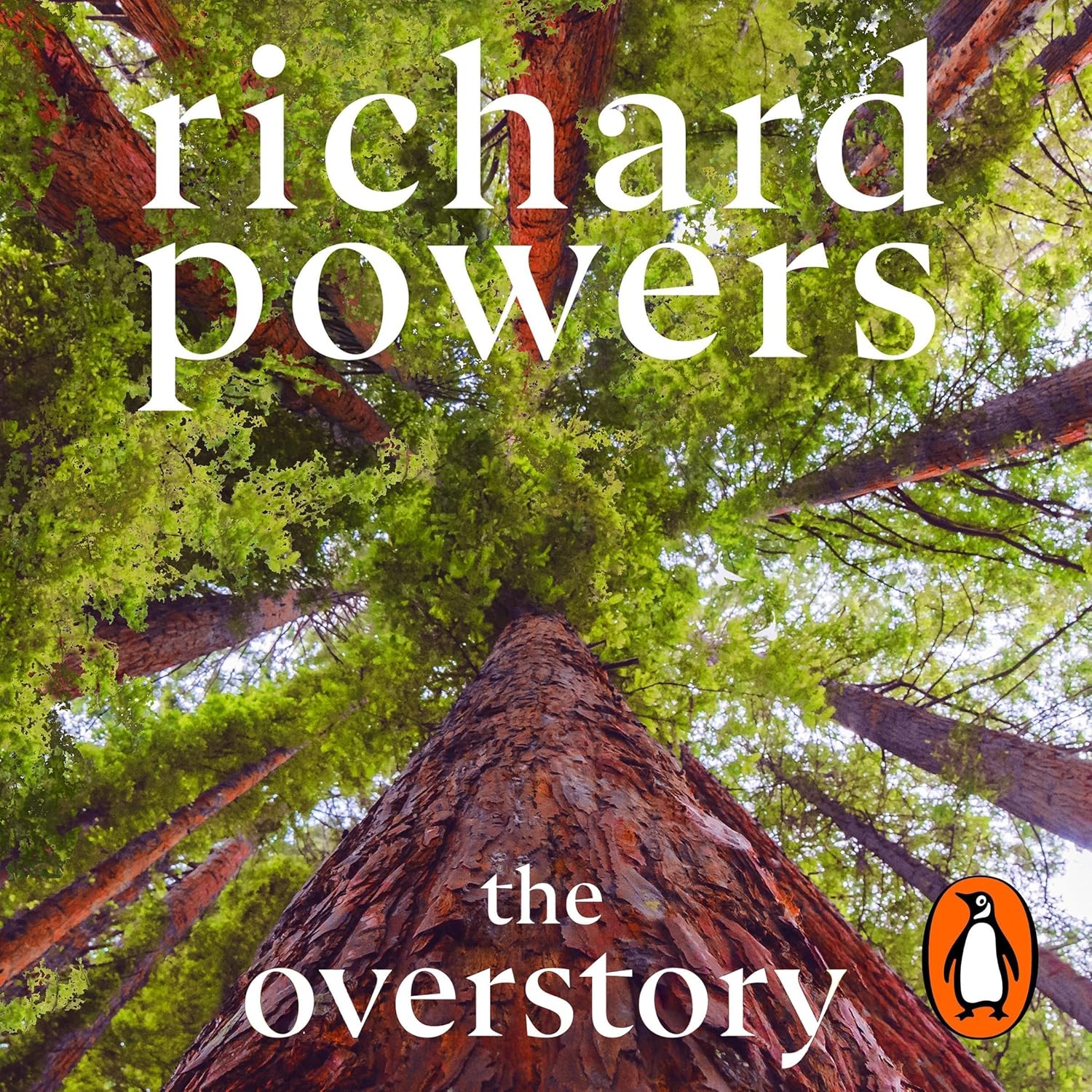
The Overstory
Written by Richard Powers, read by Suzanne Toren
“An epic, interwoven novel about humanity’s relationship with trees. Powers follows multiple characters whose lives are shaped by forests, activism, and ecological collapse.”
It’s hard to describe this novel. It’s gentle, thought-provoking and urgent.
Another of my colleagues at Slice recommended this one - thanks Bran! - and I’m very glad he did as I don’t think I’d have come across it had he not been so enthusiastic in his recommendation.
Trees are incredible.
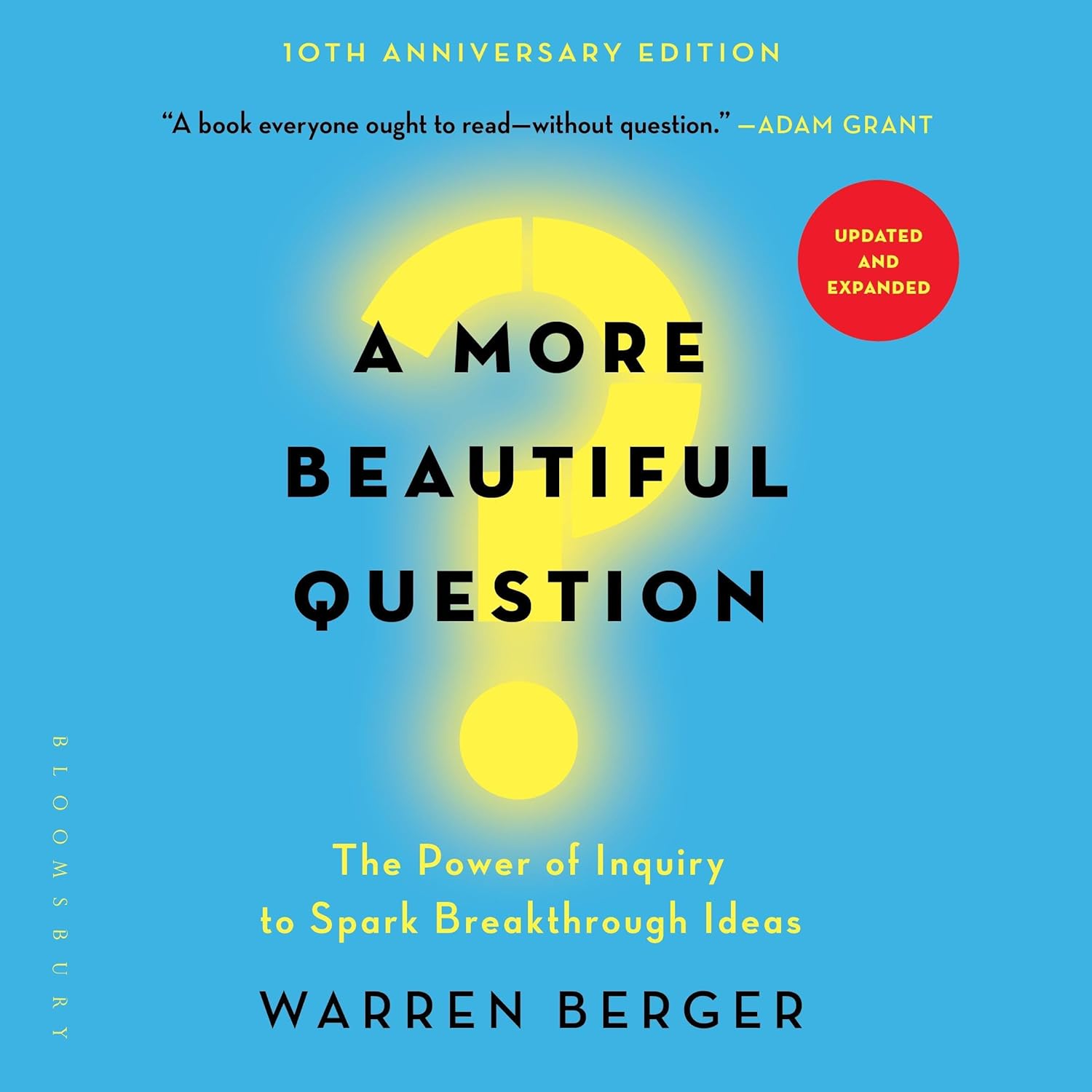
A More Beautiful Question: The Power of Inquiry to Spark Breakthrough Ideas
Written by Warren Berger
“Berger champions questioning as a catalyst for creativity and problem-solving. Drawing on examples from business, education, and innovation, he outlines how asking better questions can unlock new ideas and challenge entrenched assumptions.”
For anyone who works in a creative / problem-solving space, this is useful read / listen. It helps re-frame how to think about a problem and really understand it before jumping to solutions. Anyone who’s worked with me over the last 10 years or so will know I’m a big fan of obsessing over the problem and not the solution.
I’m not alone, it’s a popular approach in the startup product space. This is a good title to read / listen to if you need convincing of the approach too.
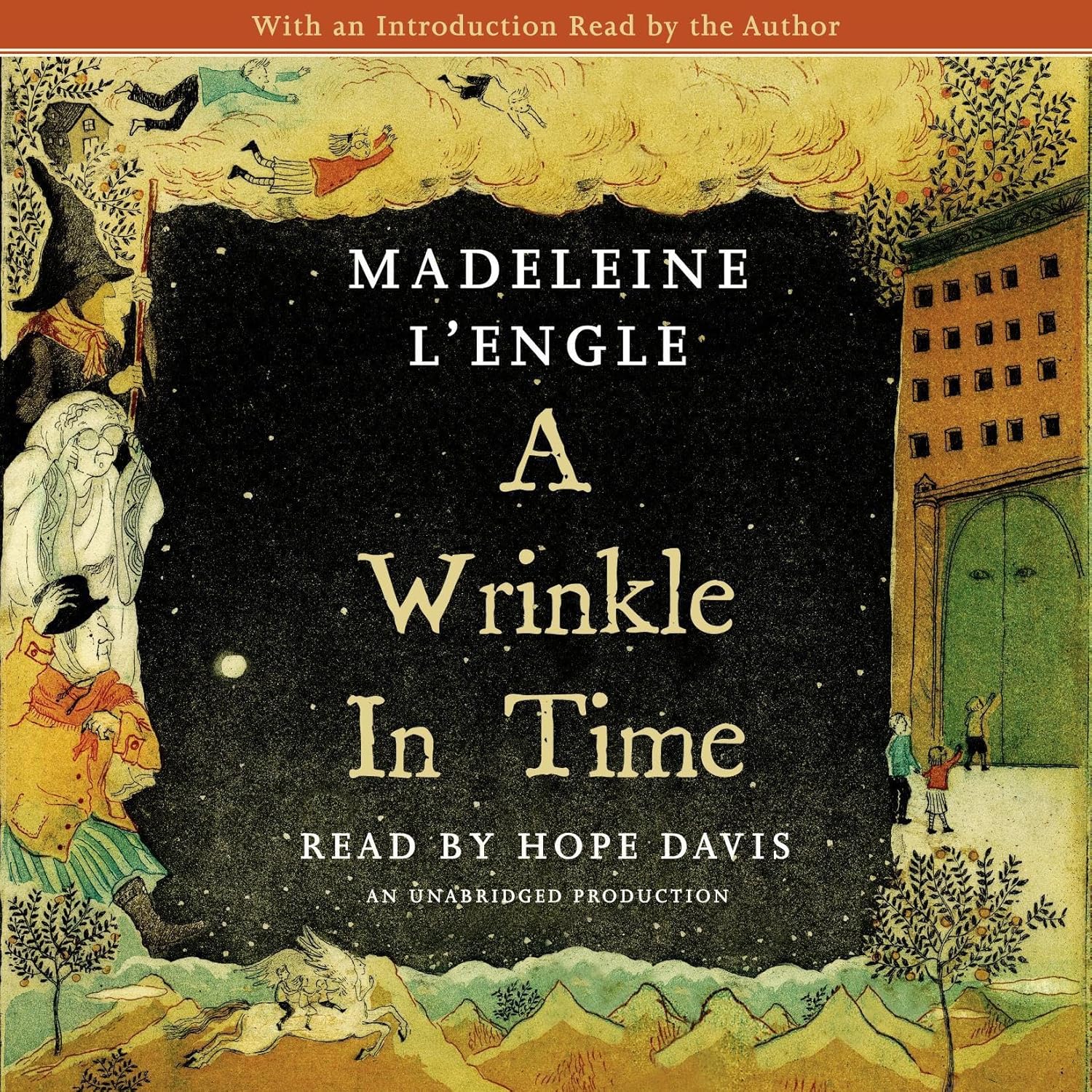
A Wrinkle in Time
Written & read by Madeleine L’Engle with Hope Davis, Ava DuVernay & Charlotte Jones Coiklis
“A classic fantasy sci-fi tale following Meg Murry and companions as they traverse space and time to rescue her father. Themes of love, courage, individuality, and the battle against a conformist evil make it enduringly resonant. Simple on the surface, symbolically rich underneath.”
As many others have also likely done, I added this title to my reading / listening list after the numerous references to it in Stranger Things.
Listening to the book
While it explores some interesting ideas, and I’m generally a fan of sci-fi works, it felt to me like it lacked a little depth and substance. I realise that it was written primarily for children / young adults, but I kept waiting for the story to really get going and it didn’t.
Maybe a little too simple?
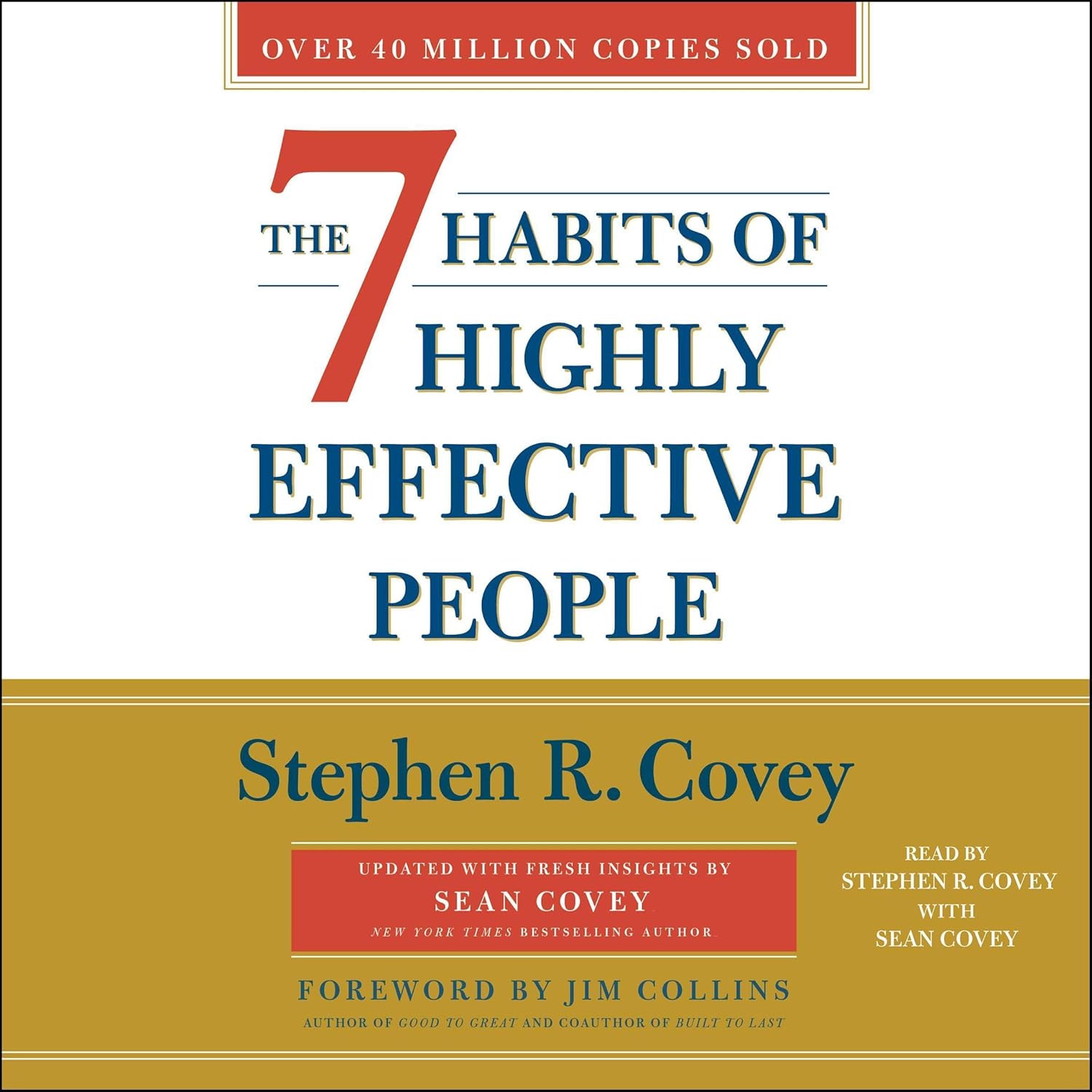
The 7 Habits of Highly Effective People
Written by Sean Covey, forward by Jim Collins & read by Stephen R. Covey
“Covey’s iconic framework for personal and interpersonal effectiveness, structured around habits like being proactive, seeking win-win solutions, and “sharpening the saw.” A blend of psychology, ethics, and practical exercises aimed at character-based growth.”
This is one of those titles that’s been on reading lists at almost every company I’ve worked at over the last 20 years. A favourite of management consultants and trainers.
So I thought it was about time I read listened to it.
I can’t say that it blew my mind in any meaningful way - possibly because many of the “7 habits” described have been reworked, re-framed and re-shared by many management gurus over the years…
Still, nice to have gone back to the source and heard the original.
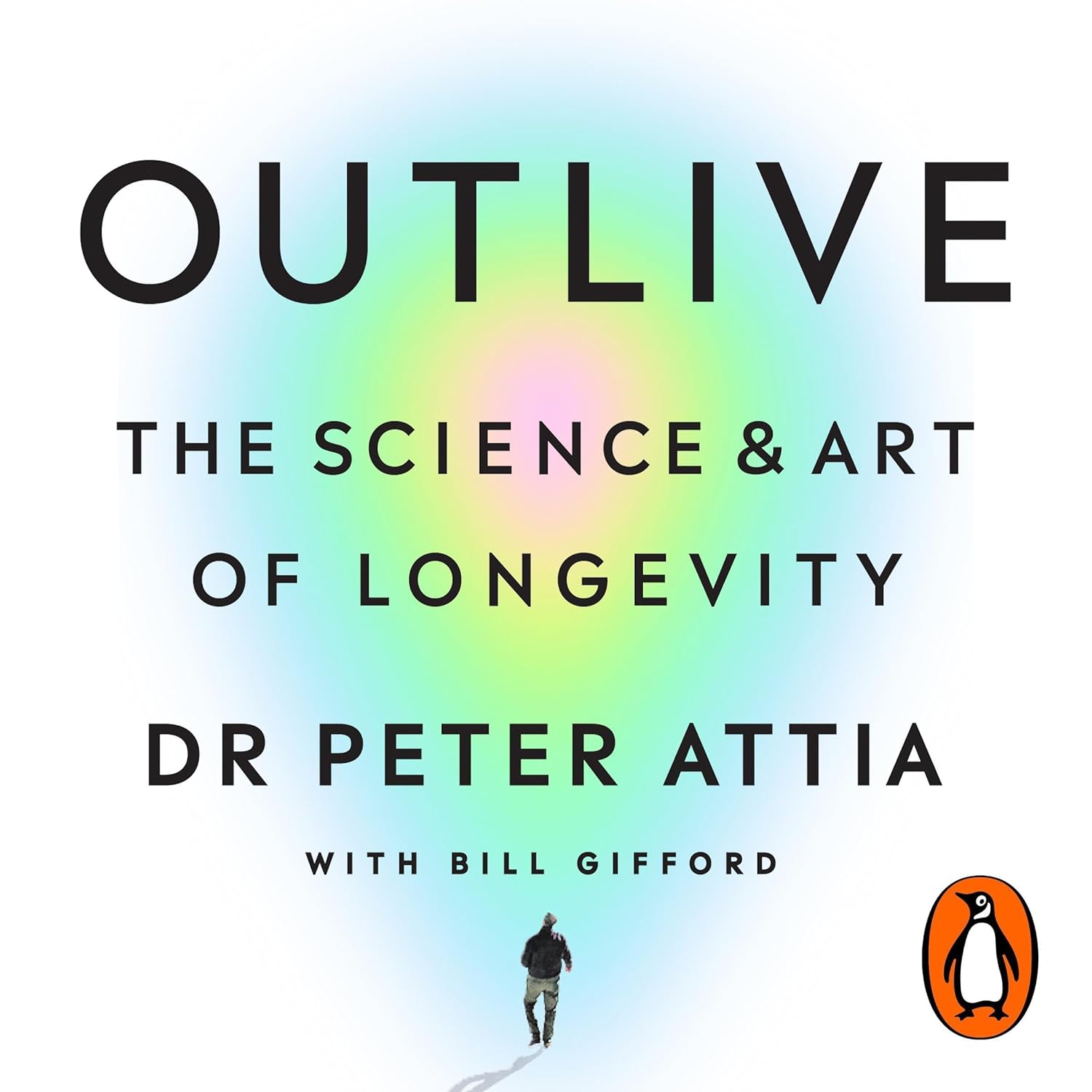
Outlive: The Science and Art of Longevity
Written & read by Dr Peter Attia
“Attia reframes longevity as preventing the “Four Horsemen” of chronic disease through nutrition, exercise, sleep, and emotional health. The book balances scientific depth with actionable lifestyle guidance, emphasizing proactive, long-term health planning.”
An interesting read listen for anyone who’s concerned with extending their productive years - not so much looking to live forever, but looking to live well for longer.
Learn about extending your health-span rather than lifespan.
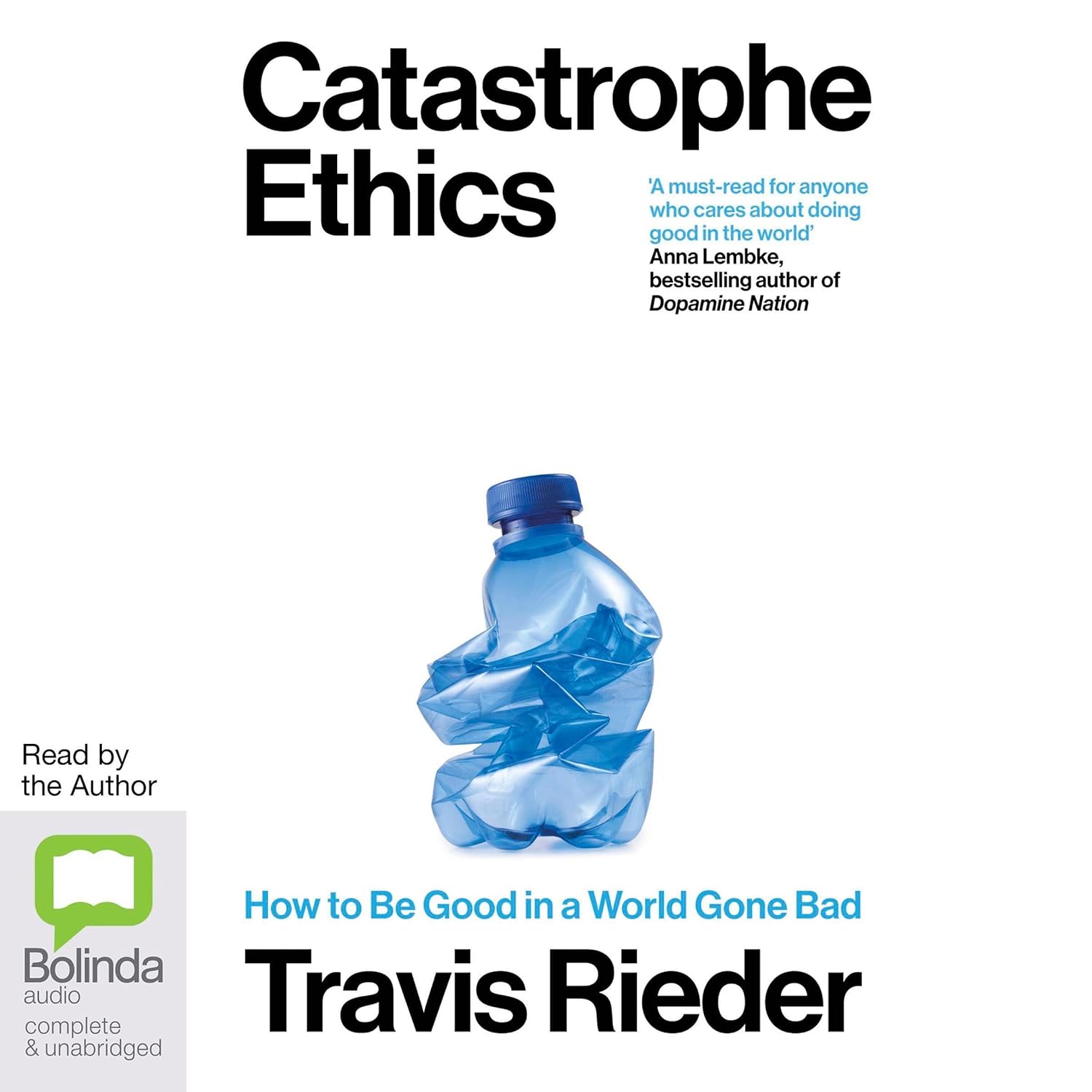
Catastrophe Ethics: How to Be Good in a World Gone Bad
Written & read by Travis Rieder
“Rieder explores moral decision-making under conditions of global risk - climate change, pandemics, and existential threats. He challenges standard ethical frameworks and argues for revised principles that better reflect high-stakes, collective dilemmas.”
I found this title in the Borrowbox library of audio books so gave it a go.
In a world where defaulting to doing what appears to be “the right thing” can actually in some cases cause more harm than good, this title is a useful meditation on how to think clearly about your actions.
The world is full of intertwined, complex systems few of which can be intuitively understand. This book argues for deeper thought when it comes to working out how your individual actions stack up to have a positive impact.
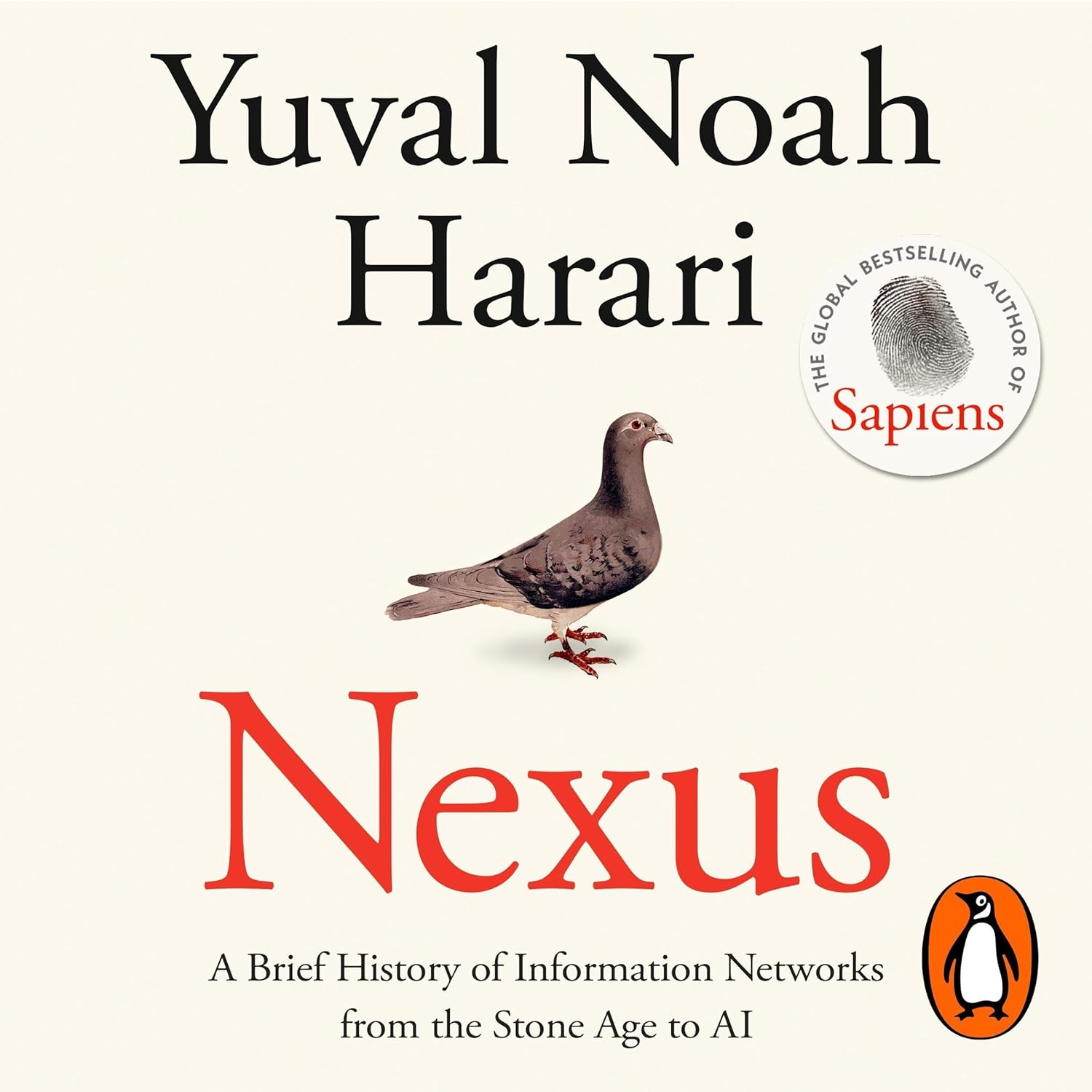
Nexus: A Brief History of Information Networks from the Stone Age to AI
Written by Yuval Noah Harari, read by Vidish Athavale
“A short, forward-looking reflection (adapted from Harari’s recent talks and essays) on the interplay between technology, politics, and humanity’s future. Harari examines how AI, data, and global systems are reshaping identities, institutions, and power.”
One description of this book lists it as “mind-blowing”. I’d not go that far. In fact, I’d say given the hype around this title I was a little disappointed.
It’s a good look at how information networks have evolved as technologies have advanced. And the consequences of decisions about how to use and apply those networks have impacted society. But not mind-blowing.
Worth a read if you’re in tech but have studied little history - (I think more folks in tech should be taught about the history of technologies and their uses over millennia. It should be a core part of the computer science curriculum)
Worth a read if you’re well steeped in the history of human ingenuity - spoken word, writing, books, the Internet, etc - but have little knowledge of more recent advancements in tech like AI.
Don’t expect to have your “mind blown” though.
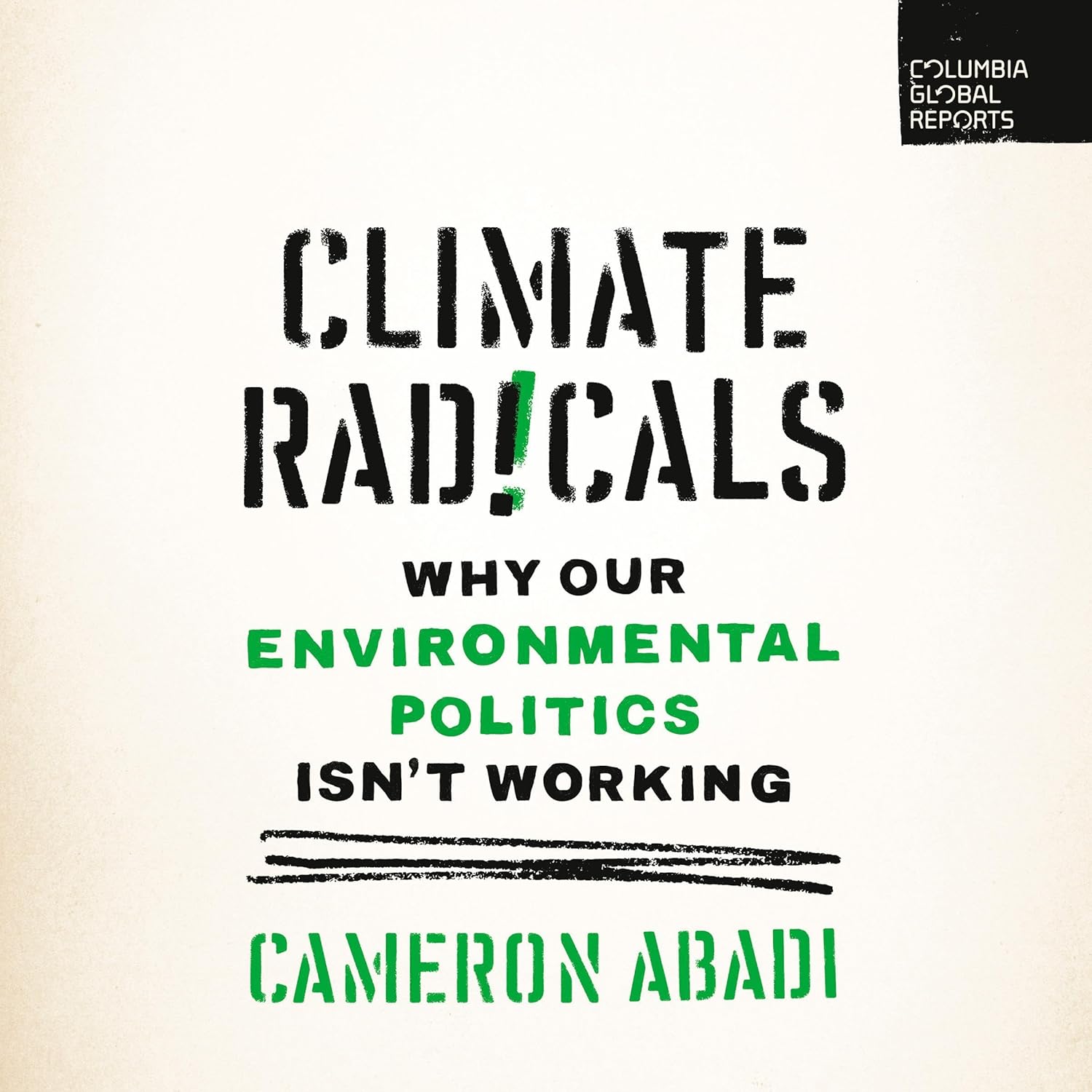
Climate Radicals: Why Our Environmental Politics Isn’t Working
Written & read by Cameron Abadi
“Climate Radicals shows that old-fashioned political compromise and incremental progress might be the only way for governments to fight climate change.”
This was another random BorrowBox find. And one I enjoyed listening to.
If you’re interested in tackling climate change, and why doing so seems to be an almost impossible task, this is worth your time.
There’s a lot of naval gazing in the world of eco-minded folks, a lot of often loud discourse about how to get the majority of people to care and act when it comes to the environment.
The radical school of thought is to disrupt and be loud and scream and shout about the issues until governments and the public listen.
Another school of thought is lobby and argue rationally to encourage governments and people in power to do things that ultimately will be in their own self interest.
This book explores both forms of persuasion and their impacts.
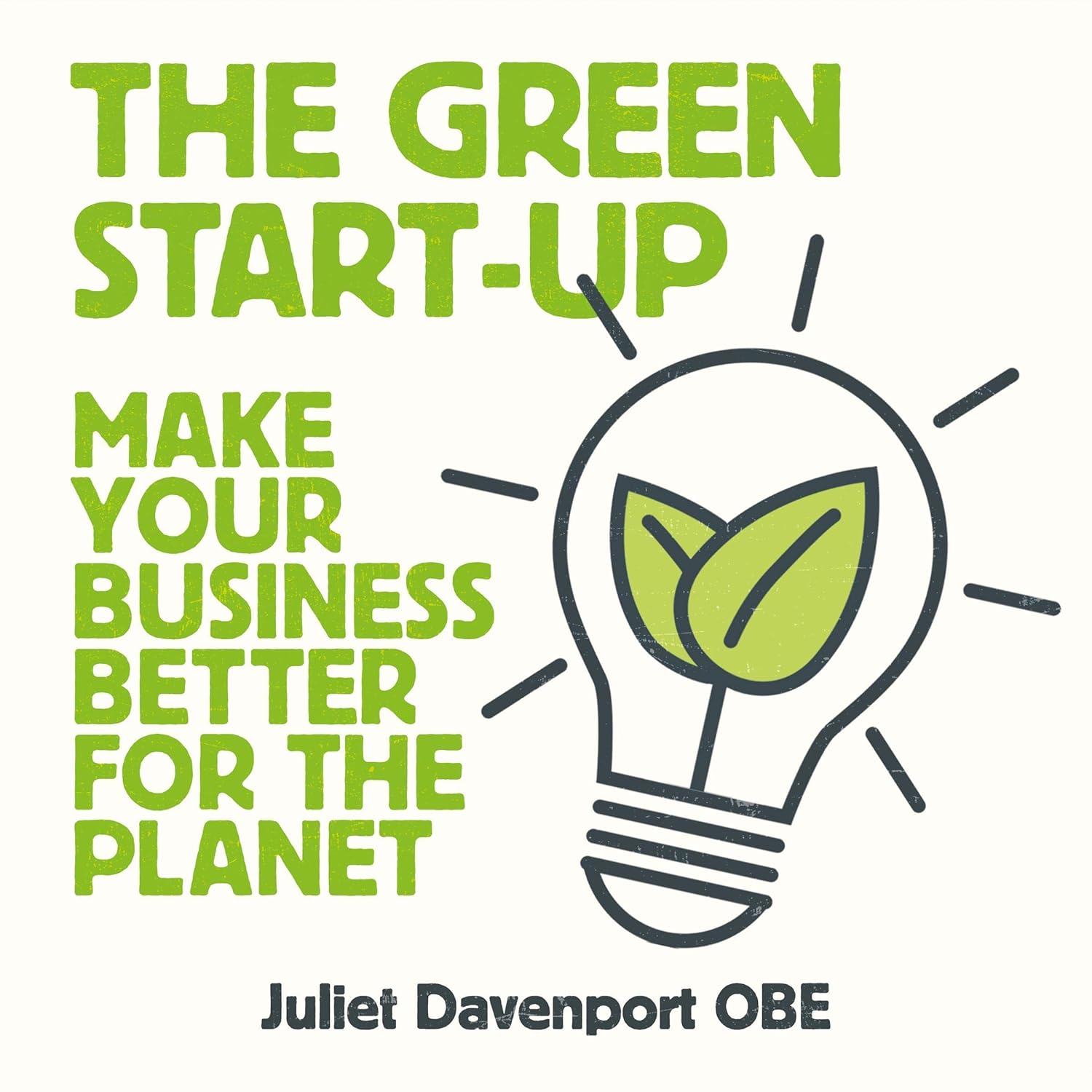
The Green Start-Up: Make Your Business Better for the Planet
Written & read by Juliet Davenport
“A guide to building climate-positive businesses, blending Davenport’s experience founding Good Energy with broader insights into sustainable entrepreneurship. It covers systems thinking, financing, policy, and the mindset required to build companies aligned with planetary boundaries.”
This book is a great first read for anyone who’d like to start a business but who has never done so and has little to no experience working in a start-up or business environment.
It’s also a good read for anyone who’d like to start a business and has yet to put any thought into how that business might be set up in a way that ensures it has as small a negative impact on the planet as possible.
I took little away from this title, but I’m clearly not the intended audience. If either of my children show interest in building a start-up in the future I’ll be getting them a copy of this as a starting point.
Conclusion
18 titles on this list this year. 3 more than in 2024. 1 less than in 2023.
In my 2024 reading list write up I concluded; “I would like to broaden my reading in 2025”
I think I did that, though unconsciously. I tend to pick titles that I either come across on podcasts, etc or when people I know recommend them directly. I’m not really seeking out books on particular topics, but I do gravitate towards a recurring set of topic; business, tech, design, health, environment - areas that interest me.
2 novels on the list in 2025. 1 more than 2024. 2 more than 2023. Overstory stands out as one of the titles that I’ve thought about the most since completing. I can’t put my finger on way, but it’s had a lasting impact.
Still quite a few titles related to climate change and our environment and quite a few on decision making and business this year.
Fewer titles listened to on BorrowBox than last year unfortunately. I’d still encourage you to try it out if it’s available via your local library though.
You may have noticed that each title is accompanied by a short synopsis this year. I’ve experimented with using AI - specifically chatGPT - to write those. I’ve added my own notes / thoughts as well, but thought that including them might be an interesting way to add some context.
I should add that I do also actually read some books. Either on a kindle or - every now and then! - an actual physical copy. But audio is still my preferred book format. I find it a lot easier to fit in listening to a book than to find the time to sit and read a copy (digital or physical). Listening while walking, driving, or cooking, etc is much more convenient for me. If I had to sit and read all of the above I doubt I’d have been able to finish even half as many titles in one year.
NB
The links to each book above are Amazon affiliate links. As an Amazon Associate, I earn from qualifying purchases. So if you follow a link and purchase a copy of a book I’ll earn a tiny commission from Amazon. Just so you know…